
The Importance of Access to Green Space in Early Childhood: How Nature Impacts Academic Outcomes
- Dec 6, 2025
- 5 min read
Picture this: your four-year-old comes home from Valley covered in dirt, chattering excitedly about the salamander they found under a log. While you might be thinking about the extra laundry, something much more significant just happened. That muddy adventure wasn't just fun and games: it was building the foundation for your child's future academic success.
As parents, we often focus on early literacy and math skills when thinking about school readiness. But what if I told you that time spent outdoors in green spaces might be just as important for your child's academic future? Recent research is revealing some pretty amazing connections between nature exposure and children's learning capabilities.
What Science Tells Us About Green Space and Young Minds
The research is clear: children aged 2 to 5 who have regular access to green spaces show significantly fewer emotional and behavioral problems compared to kids in less green environments. But here's what's really interesting: this isn't just about having a nice place to play. These outdoor experiences are actually reshaping how children's brains develop during their most critical years.
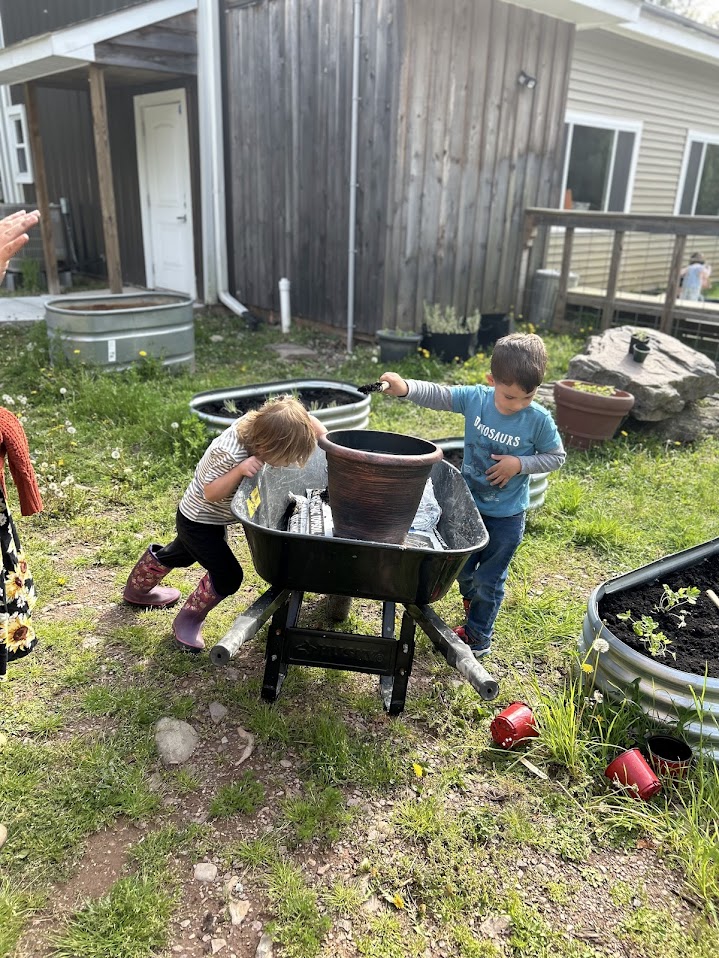
When children spend time in natural settings, their stress response systems learn to regulate more effectively. Think about it: during those early years, your child's nervous system is like wet cement: it's still forming and incredibly responsive to environmental influences. Green spaces provide a kind of reset button for young minds, helping them build emotional regulation skills that will serve them throughout their academic journey.
Studies tracking children from multiple states found that those living within three-quarters of a mile of green spaces had notably lower levels of anxiety and depression. And here's the kicker: these benefits were most pronounced during the preschool years, suggesting that early childhood might be a particularly sensitive window for nature's protective effects.
The Academic Connection: How Dirt Time Builds Brain Power
You might be wondering how playing in the mud translates to better performance in the classroom. The connection lies in what researchers call "executive function skills", basically, your child's ability to focus, remember instructions, and regulate their behavior.
Children who spend time in green environments consistently show improvements in attention and spatial working memory. In practical terms, this means they're better able to:
Sit still and focus during story time
Remember multi-step instructions
Solve problems creatively
Manage their emotions when frustrated
Work cooperatively with peers
These aren't just nice-to-have skills: they're the building blocks of academic success. A child who can regulate their emotions and maintain attention is set up to absorb learning in ways that go far beyond memorizing letters and numbers.
Research also shows that green space exposure significantly reduces hyperactivity and inattention problems. One particularly striking study found that increases in surrounding greenness led to behavioral improvements equivalent to about two years of natural maturation. That's huge when we're talking about preparing children for the structured environment of elementary school.
Valley: Where Nature Becomes the Classroom
At Valley, we've designed our entire approach around this understanding of how nature supports development. Our outdoor learning environment isn't just a playground: it's a carefully crafted space where children can engage with the natural world in ways that build academic readiness.
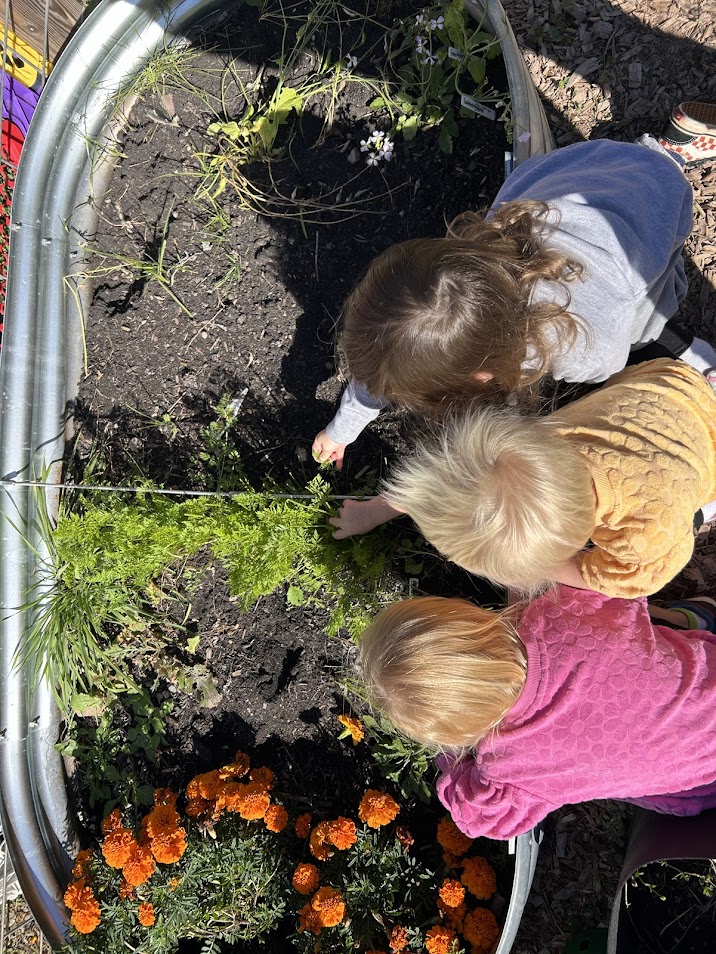
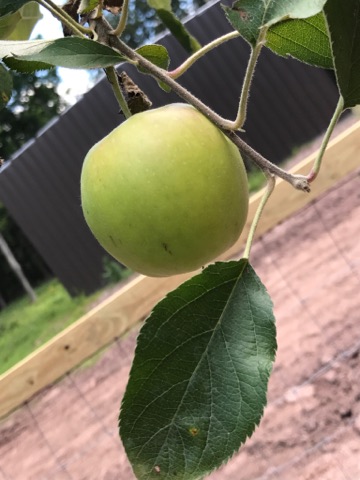
Our kids don't just learn about where food comes from; they collect fresh eggs from our chickens, tend garden beds, and watch seeds transform into plants they can harvest and eat. These hands-on agricultural experiences teach patience, cause-and-effect thinking, and responsibility: all crucial skills for academic success.
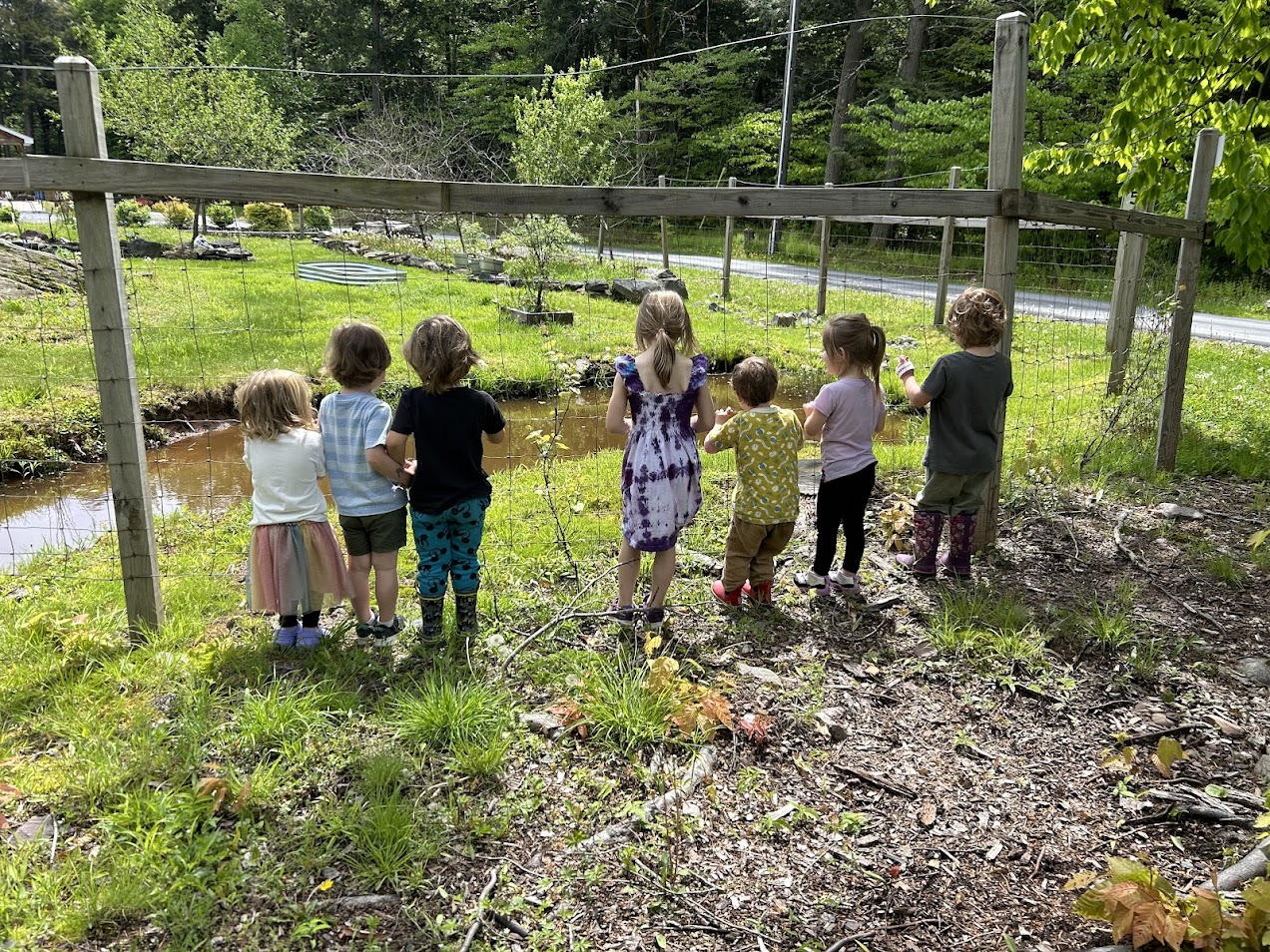
When children explore our creek, they're not just having fun in the water. They're developing scientific thinking as they observe how water flows, discover different types of rocks, and notice which creatures live in and around the water. These observations build the foundation for later science learning while developing the kind of sustained attention that serves them well in academic settings.

Our supervised wildlife encounters: like gently holding a local snake or examining a salamander: might look like simple play, but they're actually building complex cognitive skills. Children learn to overcome initial fears, observe carefully, make predictions about animal behavior, and develop the kind of focused concentration that translates beautifully to academic tasks.
Building Emotional Intelligence Through Natural Play
One of the most significant ways green space supports academic outcomes is through emotional development. When children feel emotionally regulated and confident, they're able to take on learning challenges with resilience.
Our natural environment provides countless opportunities for children to experience manageable risks and overcome small challenges. Climbing over logs, balancing on rocks, or carefully approaching a new animal all require children to assess situations, manage their emotions, and persist through uncertainty. These experiences build the kind of emotional intelligence that helps children navigate social situations, handle academic frustration, and maintain motivation when learning gets tough.
The research shows that children who have early access to green spaces develop stronger stress management skills. In a school setting, this translates to kids who can better handle things like test anxiety, peer conflicts, or the challenge of learning something completely new.
The Long-Term Academic Advantage
What's particularly exciting about the research on green space and child development is that the benefits extend far beyond the early years. Children who have strong emotional regulation, attention skills, and stress management abilities in preschool tend to maintain these advantages throughout their academic careers.
Think about the child who learned to observe patiently while watching tadpoles transform into frogs. That same sustained attention and scientific curiosity will serve them well when they're studying complex topics in middle and high school. The confidence built through natural exploration creates learners who are willing to ask questions, take intellectual risks, and persist through challenges.
At Valley, we see this connection daily. Our children who spend their days engaged with nature often show remarkable focus during indoor activities too. They approach new learning opportunities with curiosity rather than anxiety, and they've developed the emotional tools to handle frustration when something doesn't come easily.
Making the Most of the Critical Window
The research consistently shows that the benefits of green space exposure are most pronounced during ages 2 to 5. This makes sense when we consider how rapidly brain development occurs during these years. Every outdoor exploration, every nature discovery, and every moment of peaceful observation in a natural setting is contributing to your child's neural architecture.
This doesn't mean that children who don't have extensive green space access are doomed to academic struggles. But it does highlight the incredible opportunity we have during these early years to support development through nature-based experiences.
Beyond Academic Preparation: Raising Whole Children
While academic readiness is important, the benefits of green space exposure extend to raising children who are emotionally intelligent, environmentally conscious, and capable of finding peace and restoration in the natural world. These qualities serve children not just in school, but throughout their lives.
When we give young children regular access to green spaces, we're not just preparing them for kindergarten: we're giving them tools for lifelong learning, emotional resilience, and a deep connection to the world around them. And in our increasingly complex and fast-paced world, these might be the most valuable gifts we can offer.
At Valley, we believe that the best academic preparation happens not at a desk with worksheets, but in the rich, complex, ever-changing outdoor classroom that nature provides. Every muddy adventure, every quiet moment observing clouds, and every excited discovery of a new creature is building the foundation for a lifetime of successful learning.


Comments